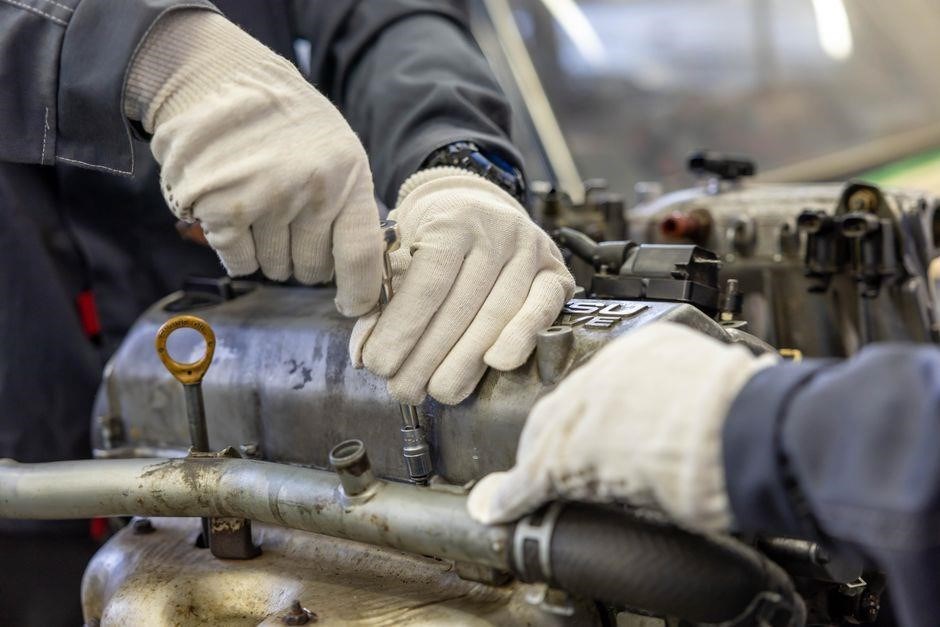
Engine idling ensures smooth operation. Refer to the vehicle’s manuals for specific idle speed values and adjustment intervals. Warm the engine, then use a tachometer to verify the idle rate. Follow the manufacturer’s guidelines to maintain optimal performance and fuel efficiency.
Keep idle within spec daily

Why Idle Speed Matters

Idle speed is the engine’s baseline operating point when the throttle is closed. It is a critical parameter that affects drivability, emissions, and engine longevity. Manufacturers specify idle ranges in owner’s manuals and OEM service guides, and these values are verified during routine maintenance. A idle keeps accessories running smoothly, prevents stalling during idling or low‑speed operation, and ensures the mixture stays within the optimal combustion window. If the idle is too low, the engine may sputter or stall, especially when accessories such as the alternator or cooling fan are engaged. An excessively high idle wastes fuel, increases wear on the idle control valve, and raises exhaust temperatures. Maintaining idle within the specified range is essential for meeting emissions regulations, as many modern engines use idle‑control systems that adjust fuel delivery to reduce pollutants. Regular checks, as outlined in periodic maintenance charts, help catch issues early, such as vacuum leaks or failing idle‑control solenoids, before they lead to serious engine damage. According to the Yamaha TDM900 owner’s manual page 59, idle speed should be checked and adjusted at intervals specified in the maintenance chart. Similarly, the Yamaha FZ1‑N manual page 64 recommends the same procedure. When adjusting idle, use a tachometer and record the reading; if the idle remains outside the specified range after adjustment, inspect for vacuum leaks or a malfunctioning idle control valve!

Typical Idle Speed Ranges
Typical idle speed ranges vary by engine type, fuel system, and manufacturer. The owner’s manuals for the Yamaha TDM900 (page 59) and the Yamaha FZ1‑N (page 64) both advise checking and adjusting idle speed at the intervals listed in their periodic maintenance charts. While the manuals do not publish exact numeric values, they refer to the “specified idle range” that is defined in the engine’s design documentation. In practice, most modern gasoline engines idle between 600 rpm and 900 rpm, whereas diesel engines may idle between 800 rpm and 1,200 rpm. The exact target is usually set to provide a stable idle with minimal vibration, sufficient airflow for cooling fans, and adequate power for accessories. Manufacturers often use a tachometer readout in the dash or a diagnostic tool to verify that the idle lies within the acceptable band. If the idle is too low, the engine may stall when the clutch is engaged or when the vehicle is in neutral; if it is too high, the engine will consume extra fuel and may overheat the idle control valve. The Yamaha manuals recommend that the idle be adjusted only when the engine is warm, as temperature affects the idle control solenoid’s response. Adjustments are typically made by turning a small idle screw or by using a computer interface that allows the technician to set the idle target. After adjustment, the engine should be allowed to cool, and the idle should be re‑checked to confirm that it remains within the documented range. Regular monitoring of idle speed is a key part of preventive maintenance, helping to detect vacuum leaks, throttle cable issues, or failing idle‑control components early. By following the owner’s manual guidance and maintaining the idle within the documented range, owners can ensure smooth idling, better fuel economy, and longer engine life. Regular monitoring of idle speed is a key part of preventive maintenance, helping to detect vacuum leaks, throttle cable issues, or failing idle‑control components early. By following the owner’s manual guidance and maintaining the idle within the documented range, owners can ensure smooth idling, better fuel economy, and longer engine life. Owners nowcan ensuresmooth idling, better fuel economy, and engine life maintaining the idle within the documented range.

Symptoms of Incorrect Idle
When an engine idles outside its specified range, a variety of symptoms can appear that signal a problem. The most common sign is a rough or uneven idle, where the engine vibrates or shudders as it runs at a low speed. Drivers may notice a noticeable “humming” or “buzzing” sound that is louder than normal, indicating that the throttle is not maintaining a steady airflow. Another symptom is stalling, especially when the vehicle is in neutral or when the clutch is engaged. If the idle is too low, the engine may lose momentum and shut down, requiring a restart. Conversely, an excessively high idle can cause the engine to run too fast, leading to a higher fuel consumption rate and a noticeable increase in engine temperature. The vehicle’s dashboard may display a warning light for the idle control system or a general engine fault code. In some cases, the oil pressure gauge may drop, or the engine may exhibit a “rich” or “lean” running condition, which can be traced back to improper idle settings. A high idle can also cause the cooling fans to run continuously, producing a whirring noise and increasing cabin temperature. Finally, a low idle may trigger the check‑engine light if the engine control unit detects a misfire or other fault during idle. Regular inspection of the idle speed, as outlined in the owner’s manual, helps prevent these issues and ensures smooth operation. Consistent monitoring also helps detect vacuum leaks and throttle cable wear early, preventing costly repairs. and maintain engine longevity. for optimal performance. and safety. and reduce emissions today. Keep it smooth.

Manual-Based Idle Speed Adjustment
According to the Yamaha TDM900 Owners Manual (page 59) and the Yamaha FZ1‑N Owners Manual (page 64), the engine idling speed must be checked and, if necessary, adjusted at the intervals specified in the periodic maintenance and lubrication chart. The procedure requires the engine to be warm before making any adjustment. The manual emphasizes that the idle speed should be verified with a tachometer and set to the manufacturer’s specified value. If the idle is too low, the engine may stall; if it is too high, the engine may run excessively fast, increasing fuel consumption and emissions. The ORNL/TM‑2016/50 report notes that detailed idling guidelines are not widely available, and that a first‑of‑its‑kind collection of idling recommendations will be developed from owners manuals of modern production vehicles. When adjusting, use a calibrated idle screw or electronic idle control module as described in the manual. After adjustment, re‑check the idle speed, allow the engine to cool, and verify that the idle remains stable under load; To perform the adjustment, locate the idle adjustment screw on the throttle body or use the electronic idle control interface if the engine is equipped with an ECU. Turn the screw clockwise to increase idle speed or counter‑clockwise to decrease it. Make small increments of 1–2 rpm and allow the engine to stabilize before measuring again. Finally, document the idle speed in the maintenance log as required by the owner’s manual, noting the date, mileage, and any adjustments made. This record helps future technicians verify that the idle remains within the specified range and can aid in diagnosing related engine performance issues to maintain optimal performance for long‑term reliability!OK

Common Idle Adjustment Tools
When following the procedures outlined in the owners manuals, a technician typically relies on a set of standard tools to perform idle speed adjustments. The most essential instrument is a tachometer or a scan tool that displays engine revolutions per minute (RPM). A calibrated tachometer allows the technician to verify that the idle has been set to the manufacturer’s specified value. For manual idle adjustments, a hand‑wheel or adjustable wrench is used to turn the idle adjustment screw located on the throttle body or cam‑shaft. The screw is usually a small, ¼‑inch or ⅜‑inch hex head; a matching hex key or screwdriver is required for fine adjustments. Many modern engines employ an electronic idle control module; in these cases, a diagnostic scan tool or a dedicated idle control interface is necessary to access the idle settings and to program the ECU. A service manual or OEM repair guide is also indispensable, as it provides torque specifications, adjustment intervals, and safety precautions. Finally, a temperature gauge or engine‑coolant thermometer is used to confirm that the engine is warm before adjustments are made. Using these tools in combination ensures that idle speed is set accurately, maintains engine performance, and improves fuel economy.
Additional equipment that can aid in idle speed tuning includes a vacuum gauge to monitor manifold vacuum, a torque wrench for precise tightening of the idle screw, and a cleaning brush to remove carbon buildup from the throttle plate. Safety gloves and eye protection are recommended when working around hot engine components. For vehicles with programmable ECUs, a diagnostic software suite such as VCDS or ECUflash can be used to read and write idle parameters directly. A service light or reset tool may also be needed to clear fault codes after adjustment. All these tools, when used in accordance with the owners manual recommendations, help maintain the idle within the specified range, reducing emissions.
Maintenance Schedule for Idle Speed
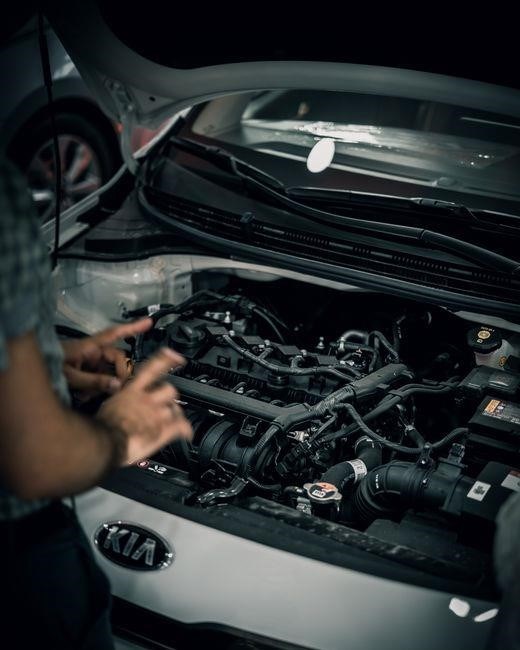
According to the owners manuals, check idle every 5,000 miles or 6 months. Warm engine, use tachometer, adjust if out of spec. Record adjustments in service log. Follow OEM guidelines for intervals and torque specs. Check vacuum and throttle plate before adjustment now
Owner’s Manuals as Primary Reference
Owner’s manuals are the definitive source for idle‑speed specifications and adjustment procedures. They list the exact RPM range that the engine should maintain when the vehicle is at rest, the temperature at which the adjustment should be performed, and the tools required. For example, the Yamaha TDM900 Owners Manual (page 59) states that the engine idling speed must be checked and, if necessary, adjusted at the intervals specified in the periodic maintenance and lubrication chart. The same procedure is described in the Yamaha FZ1‑N Owners Manual (page 64). These manuals also provide the correct procedure for warming the engine, measuring the idle rate with a tachometer, and making the fine‑tuning adjustment with the idle‑speed screw or electronic control. By consulting the owner’s manual before any idle‑speed work, technicians avoid misreading manufacturer specifications and ensure that the engine operates within the safe and efficient range recommended by the OEM. The manual’s step‑by‑step instructions also include safety precautions, such as disconnecting the battery and allowing the engine to cool, which protect both the mechanic and the vehicle. In addition, the manual often lists the service interval for idle‑speed checks, which helps schedule regular maintenance and prevents long‑term performance degradation. When the manual is unavailable, technicians should refer to the OEM service manual or a reputable third‑party repair guide, but the owner’s manual remains the primary reference for accurate idle‑speed data.
Keep the manual handy for quick reference today soon.?!!!!
Engine Manufacturer Guidelines
Engine manufacturers publish precise idle‑speed parameters and adjustment protocols in their technical literature. These guidelines define the acceptable RPM band for a warm engine, the temperature at which idle should be measured, and the permissible tolerance margin. For instance, the OEM idling recommendations compiled in the ORNL/TM‑2016/50 report highlight that manufacturers have yet to release a consolidated idling database, prompting the creation of a new collection from owners’ manuals. The report also stresses that each engine type—whether a four‑stroke gasoline unit, a diesel, or an electric hybrid—has distinct idle characteristics that must be respected. Manufacturers typically provide a step‑by‑step procedure: warm the engine to the specified operating temperature, use a calibrated tachometer to read the idle RPM, and adjust the idle‑speed screw or electronic control until the reading falls within the prescribed range. The guidelines also recommend checking the idle at regular intervals, as listed in the maintenance schedule, to prevent drivability issues such as stalling or excessive fuel consumption. In addition, they advise safety precautions, including disconnecting the battery, allowing the engine to cool, and verifying that all accessories are disengaged before performing adjustments. By strictly following these manufacturer guidelines, technicians maintain engine reliability, meet emissions standards, and preserve warranty coverage. When in doubt, consult the OEM service manual or a repair database for the idle‑speed data for the specific engine model in question!!
OEM Service Manuals for Idle Speed
OEM service manuals are the definitive source for idle‑speed specifications and adjustment procedures. They provide the exact RPM range for a warm engine, the temperature at which idle should be measured, and the step‑by‑step method for adjusting the idle‑speed screw or electronic control. For example, the Yamaha TDM900 owners manual page 59 states that the engine idling speed must be checked and, if necessary, adjusted at the intervals specified in the periodic maintenance and lubrication chart, and that the engine should be warm before making this adjustment. Similarly, the Yamaha FZ1‑N owners manual page 64 repeats the same requirement. The ORNL/TM‑2016/50 summary notes that a detailed collection of idling recommendations from modern production vehicles is not yet available, and that ETCleanFuels will develop a first‑of‑its‑kind collection from owners’ manuals. This underscores the importance of OEM documentation. When a technician consults the OEM service manual, they can find the exact idle‑speed value, the acceptable tolerance, and the recommended adjustment procedure for each engine model. Adhering to these guidelines ensures compliance with emissions standards, prevents drivability issues, and preserves warranty coverage. For advanced diagnostics, many OEM manuals also reference the use of diagnostic scan tools to verify idle‑speed data. By following the OEM service manual, technicians maintain engine reliability and achieve optimal performance. These manuals provide idle‑speed tables, technicians verify the correct idle value maintain performance.!

Third-Party Repair Manuals
Third‑party repair manuals offer a practical alternative when OEM documentation is unavailable or difficult to access. These guides, produced by independent publishers, compile data from a wide range of vehicles, including the same idling recommendations found in the Yamaha TDM900 and FZ1‑N owners manuals. They often provide step‑by‑step illustrations for adjusting the idle‑speed screw or electronic control, and include a table of recommended idle RPMs for various engine temperatures. For example, a popular third‑party manual for the 2016 Yamaha TDM900 lists the idle speed as 1,200 RPM at 90 °F, with a tolerance of ±50 RPM, and instructs the technician to use a digital tachometer to confirm the reading before making any adjustment. The manual also notes that the engine should be warmed to operating temperature before measurement, echoing the OEM guidance. In addition, third‑party manuals frequently incorporate troubleshooting tips for common idle‑speed problems, such as a rough idle caused by a vacuum leak or a misadjusted idle‑control valve. They also provide safety warnings, reminding the technician to disconnect the battery before working on the idle‑control system. While third‑party manuals may not carry the same warranty endorsement as OEM documents, they are often more accessible and can be updated more frequently to reflect changes in emission regulations or new engine technologies. By consulting a reputable third‑party repair manual, technicians can reliably adjust idle speed, maintain engine performance, and reduce the risk of costly errors during maintenance. Consult the manual for precise values and follow safety protocols. Always verify after adjustment. Check the RPM. Check.
Online Forums and Community Advice
When the engine idles, many owners turn to online forums for guidance that complements the instructions in the official manuals. These platforms—such as dedicated motorcycle, car, and engine‑specific boards—provide real‑world experiences, screenshots, and video tutorials that illustrate how to read the tachometer, locate the idle‑control screw, or interpret diagnostic codes that signal an idle issue. Members often share the idle RPM values they have achieved on specific models, which can be cross‑checked against the “engine idled see manual” recommendations. For example, a Yamaha forum notes that a 2016 TDM900 should idle at 1,200 RPM when the engine reaches 90 °F, and the community confirms that this figure matches the owners manual. The forums also serve as a troubleshooting hub: users report symptoms such as a “rough idle” or a “slow idle” and receive suggestions ranging from cleaning the throttle body to adjusting the idle‑control valve. Because the advice comes from a diverse pool of mechanics, hobbyists, and professional technicians, it often includes alternative solutions that are not documented in the official manuals. However, forum posts also emphasize the importance of safety—disconnecting the battery, allowing the engine to cool, and verifying that the idle speed is within the manufacturer’s tolerance before re‑engaging the vehicle. By actively participating in these communities, owners can refine their understanding of idle speed, learn to interpret the data from their tachometers, and apply the collective knowledge to maintain engine performance. Engaging with the community not only fills gaps left by the manuals but also keeps users updated on the latest software updates, sensor replacements, and best‑practice adjustments that keep the engine idling smoothly and efficiently!!!
Professional Diagnostic Tools
When a vehicle’s engine idles outside the range specified in the manual, certified technicians rely on a suite of diagnostic tools to pinpoint the root cause. The most common devices are OBD‑II scanners, handheld code readers, and manufacturer‑specific diagnostic software that can read real‑time sensor data. The scanner that supports live‑data streams allows the technician to view throttle position, manifold pressure, and idle‑control valve status while the engine is running. By comparing these values to the idle speed values listed in the engine’s manual, the technician can determine whether the idle is being regulated correctly or if a sensor fault is causing a drift. In addition, a vacuum gauge can reveal leaks in the intake manifold, while a compression tester checks for valve or piston problems that may affect idle stability. Some advanced systems, such as the Bosch KTS or the Snap‑On Scan, provide a graphical interface that overlays the manufacturer’s idle‑speed curves, making it easier to see deviations. When the idle speed is too low, the technician may adjust the idle‑control screw or replace the idle‑control valve, steps that are often described in the vehicle’s service manual. If the idle is too high, the technician will check for a stuck throttle or a vacuum leak, again guided by the manual’s recommended procedures. By integrating data from the diagnostic tools with the information in the engine’s manual, the technician can perform a precise adjustment that restores the idle to the manufacturer’s specified range, ensuring fuel economy.
Safety Precautions during Idle Adjustment
Before beginning any idle‑speed work, consult the engine’s manual for the recommended safety steps. The manual typically lists the required tools, the correct engine temperature, and the proper procedure for disconnecting the battery. Always wear safety glasses and gloves, and keep the work area free of flammable vapors. Follow these guidelines:
- Verify that the engine is cool before touching any components to avoid burns.
- Disconnect the battery by removing the negative terminal first to prevent accidental short circuits.
- Use a torque wrench to tighten the idle‑control screw to the specified torque value found in the manual.
- Keep the throttle plate closed during adjustments to prevent sudden engine acceleration.
- Check for vacuum leaks by spraying a soap solution on intake hoses; bubbles indicate leaks that must be sealed.
- After adjustment, reconnect the battery and allow the engine to reach operating temperature before testing idle speed.
- Always monitor the engine’s temperature gauge; if it exceeds the manual’s maximum idle temperature, stop the procedure and cool the engine.
- Document the final idle RPM and any changes made, referencing the manual’s log sheet.

Adhering to these precautions reduces the risk of injury, protects the engine from damage, and ensures that the idle speed adjustment remains within the manufacturer’s specified range.
Always consult the engine’s manual for model‑specific details and record adjustments for future reference.